
Walk through any aging Jamaican strata development and the signs of deferred maintenance are hard to miss: cracked waterproofing, rusted railings, flickering hallway lights, water stains on ceilings, elevator breakdowns that stretch into weeks, and swimming pools that have been “temporarily” closed for months. These are not cosmetic issues — they are the visible symptoms of a governance gap that affects the vast majority of the island’s registered strata corporations. With approximately 1,300 strata corporations on record, only about 12% filing annual returns in any given year, and 88% of audited corporations found to have violated multiple by-laws, the absence of a preventive maintenance plan is part of a broader pattern of under-governance that leaves communities vulnerable to escalating costs and deteriorating infrastructure.
This article examines why maintenance planning matters, what a practical plan looks like, and how boards can move from a reactive “fix-it-when-it-breaks” approach to a structured programme that protects property values, reduces long-term costs, and keeps residents safe.
Why Maintenance Planning Is Different from Fee Collection
Before going further, it is worth drawing a distinction. Many strata corporations focus their energy on collecting maintenance fees from unit owners, and rightly so. Arrears are a real challenge, and the Registration (Strata Titles) Act provides enforcement mechanisms including the Power of Sale process (Form 9, JMD $5,000 per unit for arrears exceeding 30 days). But collecting fees and spending them wisely on maintenance are two separate disciplines.
A corporation can achieve perfect fee collection rates and still suffer from deteriorating infrastructure if the money is spent reactively, addressing emergencies as they arise rather than following a deliberate plan. Preventive maintenance is the discipline of inspecting, servicing, and repairing building components on a scheduled basis before they fail. The distinction matters because reactive repairs typically cost significantly more than preventive interventions performed at the right time.
The Cost of Doing Nothing
Consider a concrete example. A mid-rise strata development in New Kingston has a flat roof system with an expected useful life of 20 years. Annual inspections and minor sealant repairs might cost JMD $150,000 per year. Neglect those inspections, and water intrusion begins silently damaging the waterproof membrane, the insulation layer, and eventually the structural concrete. By year 12, the corporation faces an emergency roof replacement costing JMD $15 million or more, funded by a painful special assessment that no unit owner budgeted for.
This pattern repeats across every major building system: elevators, water pumps, perimeter walls, electrical panels, and plumbing infrastructure. International research suggests that preventive maintenance can yield a return on investment exceeding 500 percent compared to the cost of corrective repairs. For strata corporations operating on tight budgets, those economics should command attention.
Jamaica-Specific Challenges
Maintenance planning carries unique challenges that boards must account for.
Hurricane Season Preparation
Jamaica sits squarely in the Atlantic hurricane belt, and the June-to-November season demands specific preparation. Roof tie-downs, drainage systems, backup generators, perimeter fencing, and landscaping all require pre-season inspection. A maintenance plan should include a dedicated hurricane preparation checklist completed no later than May each year. Items to address include clearing all roof drains and gutters, inspecting and securing loose roofing materials, testing backup power systems under load, trimming trees near buildings and power lines, verifying that sump pumps and stormwater systems are operational, and securing or storing loose common area furniture and equipment.
Communities that complete these tasks on schedule are far less likely to suffer catastrophic damage during a storm and are better positioned to file insurance claims with documented evidence of proper upkeep.
Tropical Climate Wear
Jamaica’s combination of high humidity, intense ultraviolet radiation, salt air in coastal areas, and heavy seasonal rainfall accelerates the deterioration of building materials. Metal components rust faster. Paint and sealants degrade more quickly. Mould and mildew colonise damp surfaces within days. Wood elements are vulnerable to termite damage, particularly when moisture is present.
These conditions mean that maintenance intervals appropriate for temperate climates are too long here. A paint cycle that lasts seven years in a North American community may last only three to four years on a Kingston hilltop exposed to direct sun and salt-laden wind. Boards should work with local contractors and building professionals to calibrate their maintenance schedules to local conditions, not imported standards.
Limited Contractor Pools
Outside of the Kingston Metropolitan Area and Montego Bay, finding qualified specialist contractors for elevator maintenance, fire suppression systems, waterproofing, and structural inspections can be difficult. This scarcity creates two problems: higher costs due to limited competition, and longer lead times for repairs. A preventive maintenance plan helps mitigate both problems by scheduling work well in advance, allowing the corporation to negotiate better rates and book contractors during their less busy periods rather than paying emergency premiums.
Building a Preventive Maintenance Plan
A maintenance plan does not need to be an elaborate document. At its simplest, it is a spreadsheet that lists every common area component the corporation is responsible for maintaining, the frequency of inspection, and the month in which inspections and preventive tasks should occur. Here is a practical approach.
Step 1: Inventory Your Common Areas
Walk the entire property and list every common area component. Use the strata plan and by-laws as a guide to confirm what falls under the corporation’s responsibility versus individual unit owners. Common categories include:
- Structural elements: Roofs, exterior walls, balconies, foundations, retaining walls
- Mechanical systems: Elevators, water pumps, backup generators, fire suppression systems
- Electrical systems: Common area lighting, distribution panels, security system wiring
- Plumbing: Water supply lines, sewage systems, drainage infrastructure, water tanks
- Common amenities: Swimming pools, gyms, clubhouses, playgrounds
- Grounds and hardscape: Parking areas, driveways, walkways, perimeter fencing, landscaping
- Security infrastructure: Gates, barriers, access control systems, CCTV cameras
Step 2: Establish Inspection Frequencies
Not every component needs the same inspection schedule. A useful framework:
- Monthly: Elevators, fire extinguishers, water pumps, security systems, pool chemical levels, common area lighting
- Quarterly: Roof drains and gutters, plumbing fixtures in common areas, backup generator test runs, parking lot surfaces, perimeter fencing
- Semi-annually: Full roof inspections, exterior paint condition assessment, waterproofing membranes, electrical panel inspections
- Annually: Structural assessments, reserve fund adequacy review, full elevator certification, fire suppression system testing
Step 3: Assign Responsibilities
Every inspection item should have a named person or contractor responsible for completing it and a clear process for reporting findings. For smaller corporations, the property manager may coordinate all inspections. Larger developments may employ a dedicated maintenance supervisor. In either case, the key principle is accountability: someone must own each task, and the board must receive regular reports.
Step 4: Document Everything
Documentation is where many strata corporations fall short. Every inspection should produce a written record noting what was inspected, the condition found, any corrective action required, and when that action was completed. These records serve multiple purposes: they demonstrate compliance with the board’s fiduciary duty, they provide evidence of proper upkeep for insurance claims, and they create institutional memory that survives changes in board membership and management.
This last point is especially important where board turnover can be high and institutional knowledge often walks out the door with departing committee members. A well-documented maintenance programme ensures continuity regardless of who is serving on the board.
Step 5: Align with the Reserve Fund
Under sound financial management principles, a strata corporation should maintain a reserve fund for major capital replacements: roof replacement, elevator overhaul, repaving of parking areas, and similar large-ticket items. Although the Registration (Strata Titles) Act does not explicitly mandate formal reserve fund studies, conducting one is widely regarded as a governance best practice. The maintenance plan and the reserve study should inform each other. Effective preventive maintenance extends the useful life of building components, which in turn reduces the pace at which reserve funds need to accumulate. Conversely, the reserve study identifies which components are approaching end of life, helping the maintenance plan prioritise inspections in those areas.
Connecting Maintenance to CSC Compliance
The Commission of Strata Corporations (CSC) has the authority to inspect strata properties with at least three months advance written notice. These inspections assess whether the corporation is meeting its obligations under the Registration (Strata Titles) Act. While the precise scope of CSC inspections varies, a corporation with a documented maintenance plan and history of completed inspections is far better positioned to demonstrate compliance than one scrambling to address visible problems before the inspector arrives.
Given that 88% of audited strata corporations in Jamaica were found to have violated multiple by-laws, and only approximately 12% file their annual returns (Forms 13A, 13B, 13C) in any given year, the bar for demonstrating good governance is not as high as boards might fear. A corporation that maintains its property, keeps records, and files its returns on time is already operating well above the norm.
Vendor Management
A maintenance plan is only as effective as the contractors who execute it. Strata corporations should develop a roster of vetted vendors for each maintenance category, with current contracts, insurance certificates, and performance records on file. Key vendor management practices include:
- Competitive bidding for all contracts above a board-determined threshold
- Written scope of work for every engagement, specifying exactly what is included
- Insurance verification, confirming that contractors carry adequate liability coverage
- Performance reviews conducted at least annually, with documented feedback
- Backup vendors identified for critical systems like elevators and water pumps, so the corporation is never dependent on a single provider
The Role of Technology
Tracking maintenance tasks on paper or in ad hoc spreadsheets works for small developments but becomes unwieldy as communities grow. Modern community management platforms can automate maintenance scheduling, send reminders when inspections are due, store inspection records and photographs, track vendor performance, and generate reports for board meetings. Digitising the maintenance programme also makes it far easier to maintain continuity when board members, managers, or contractors change.
Getting Started
For boards that currently have no maintenance plan, the prospect of building one from scratch can feel daunting. The practical advice is to start small. Pick the three building systems that represent the greatest risk or cost if they fail: typically the roof, the elevator, and the water supply system. Build inspection and maintenance schedules for those three systems first. Once the habit of scheduled inspections and documented maintenance is established, expand the plan to cover additional components each quarter.
The important thing is to begin. Every month that passes without a maintenance plan is a month in which building components are silently deteriorating, future repair costs are growing, and the corporation is accumulating risk that will eventually land on the shoulders of unit owners as emergency assessments.
Moving Forward
Preventive maintenance is not glamorous work. It does not generate the immediate visibility of a new amenity or a landscaping upgrade. But it is the single most impactful thing a strata corporation board can do to protect property values, reduce long-term costs, keep residents safe, and demonstrate the kind of responsible governance that the Registration (Strata Titles) Act envisions.
For strata corporations ready to close the maintenance planning gap, the path forward involves building a simple plan, committing to scheduled inspections, documenting every action taken, and holding vendors accountable for quality work. The investment in planning today will pay dividends for years to come.
FiWi Community helps strata corporations and gated communities digitise their maintenance tracking, automate inspection schedules, and maintain the documentation that supports both compliance and good governance. To learn how the platform can support your community’s maintenance programme, visit fiwi.community.
See how Caymanas Estate recovered J$6.1 million
679 lots. 53% to 77% good standing. 87,000+ visitors processed digitally. See how FiWi Community turned policy into results.
Stay Updated
Get HOA management tips delivered to your inbox.
Related Posts
Why Building Insurance Is Non-Negotiable for Strata Corporations
Without valid building insurance, your proprietors can't get mortgages, your annual returns are incomplete, and your corporation fails CSC inspections. Here's what the law requires.
How to Prepare for a CSC Random Inspection (Without Panic)
The Commission of Strata Corporations gives 3 months' notice before inspections. Here's exactly what they check — and how to be ready year-round.
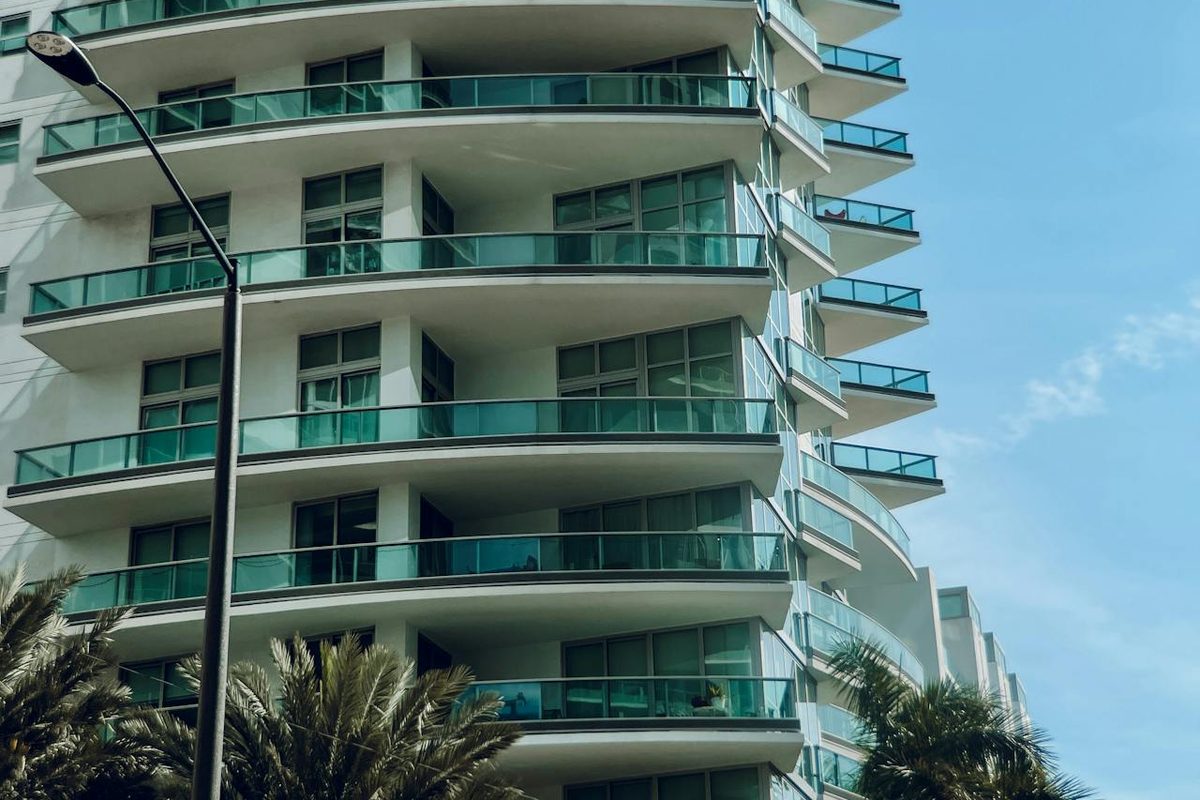
What Happens When the Developer Hands Over Your Strata Corporation
Many Jamaican unit owners have no idea that the developer will eventually hand over governance to a resident board. Here is what the transition involves and how to protect yourself.